

Introduction
System software examples are essential parts of every computer system. Without system software examples, computers cannot function properly or run application software. In simple terms, system software acts as the main bridge between hardware and users. It manages hardware resources, supports system operations, and ensures everything runs smoothly in the background.
When you turn on your computer or mobile device, system software examples are the first programs that start working. They control memory, processors, storage, and input-output devices. From operating systems to utility programs, system software examples are responsible for making technology usable and efficient for everyone.
Understanding system software examples is very important for students, beginners in IT, and anyone who wants to learn how computers work. These programs are not directly used for tasks like writing documents or browsing the internet, but they make those tasks possible. For example, without an operating system, you cannot open a browser or use any app.
In this article, we will explore system software examples in detail, including their types, importance, benefits, risks, and real-world uses. You will also learn step-by-step explanations, expert tips, and common mistakes to avoid. This guide is written in simple English so everyone can easily understand how system software examples work in modern computing.
What is System Software Examples?
System software examples refer to the group of software programs that help run and control computer hardware and provide a platform for application software. These programs are essential for the functioning of any digital device.
System software examples include operating systems, device drivers, firmware, and utility programs. Each type plays a unique role in managing the system.
For example, the operating system is the most important system software example because it controls all other software and hardware. Without it, the computer cannot operate.
System software examples work in the background and are usually not visible to users. However, they are always active and managing resources like CPU usage, memory allocation, and file management.
Some common system software examples include:
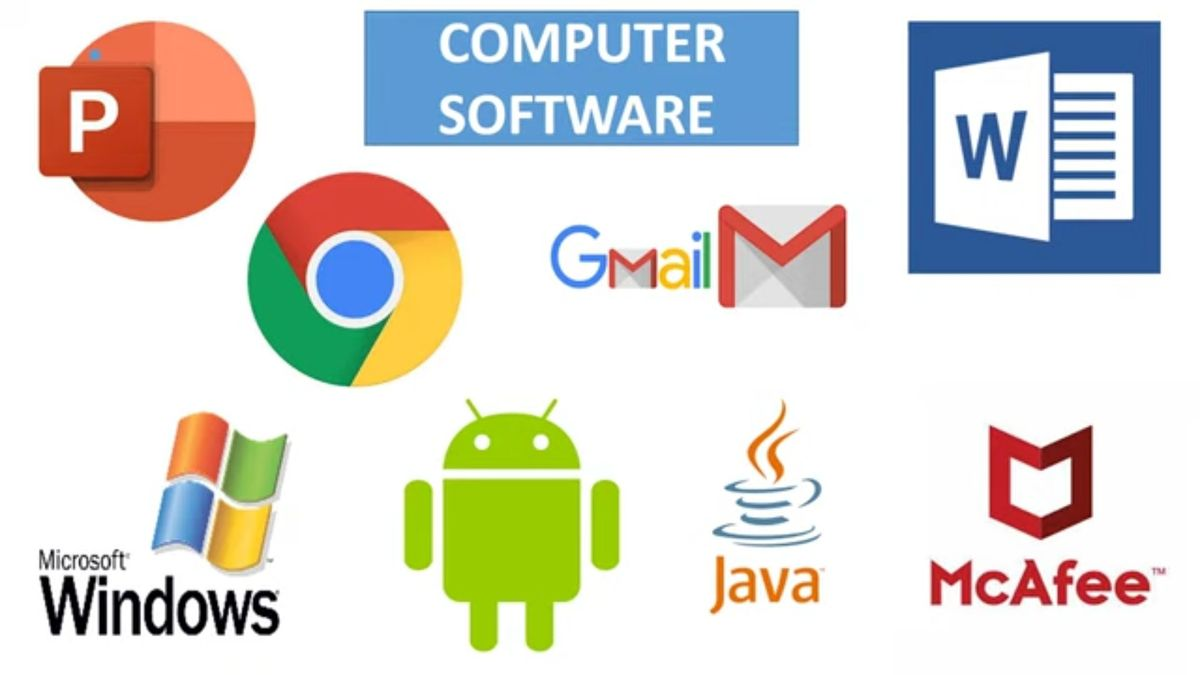
- Windows Operating System
- Linux Operating System
- macOS
- Device Drivers
- Antivirus Software
- Disk Cleanup Tools
These system software examples ensure that your computer runs efficiently and safely.
Why are System Software Examples Important?
System software examples are important because they provide the foundation for all computer operations. Without them, hardware and software cannot communicate.
One major importance of system software examples is resource management. They manage CPU, memory, and storage to ensure smooth performance.
Another important role is device control. System software examples help hardware devices like printers, keyboards, and monitors work properly.
They also provide security by protecting systems from viruses, malware, and unauthorized access.
Key reasons why system software examples are important:
- They manage hardware and software interaction
- They improve system performance
- They provide a user-friendly interface
- They ensure system stability
- They support application software
Without system software examples, a computer would be just a collection of useless hardware components.
Detailed Step-by-Step Guide
How System Software Examples Work
System software examples follow a structured process to manage computer operations.
Step 1: Booting the System
When you turn on your computer, system software examples like BIOS or firmware start first. They check hardware components and prepare the system.
Step 2: Loading the Operating System
After booting, the operating system loads into memory. This is one of the most important system software examples.
Step 3: Managing Hardware Resources
System software examples allocate memory, CPU time, and storage space to different tasks.
Step 4: Running Applications
Once the system is ready, application software can run using support from system software examples.
Step 5: Continuous Monitoring
System software examples continuously monitor system performance and fix errors if needed.
Types of System Software Examples
Operating System
Operating systems are the most common system software examples. They control the entire computer system.
Examples include Windows, Linux, and macOS.
Device Drivers
Device drivers are system software examples that help hardware devices communicate with the operating system.
Utility Software
Utility programs are system software examples that perform maintenance tasks like virus scanning and disk cleanup.
Firmware

Firmware is a low-level system software example embedded in hardware devices.
Benefits of System Software Examples
- Improve computer performance
- Manage hardware efficiently
- Provide system security
- Support application software
- Reduce system errors
- Enable multitasking
- Ensure smooth user experience
System software examples are essential for both personal and professional computing environments. They help users complete tasks without worrying about technical complexities.
Disadvantages / Risks
- Can be complex to understand
- Requires regular updates
- May consume system resources
- Some system software examples are expensive
- Vulnerable to viruses if not protected
- Compatibility issues with hardware
Despite these risks, system software examples are necessary for proper system functioning.
Common Mistakes to Avoid
Many beginners make mistakes when dealing with system software examples.
- Ignoring system updates
- Installing untrusted drivers
- Removing important system files
- Not using antivirus software
- Overloading system resources
Avoiding these mistakes can improve system performance and security.
FAQs About System Software Examples
1. What are system software examples in simple words?
System software examples are programs that run and control computer hardware and help other software work properly.
2. What are the main types of system software examples?
The main types include operating systems, device drivers, utility software, and firmware.
3. Why do we need system software examples?
We need system software examples to manage hardware, run applications, and ensure smooth system performance.
4. Is Windows a system software example?
Yes, Windows is one of the most popular system software examples used worldwide.
5. Can a computer work without system software examples?
No, a computer cannot function without system software examples because they control all operations.
6. Are system software examples the same as application software?
No, system software examples manage the system, while application software helps users perform tasks like writing or browsing.
Expert Tips & Bonus Points
Experts suggest keeping system software examples updated for better performance and security.
Here are some useful tips:
- Always install official updates
- Use trusted antivirus programs
- Avoid unnecessary software installations
- Regularly clean system files
- Monitor system performance
Bonus insight: Modern system software examples are becoming more intelligent with automation and cloud integration, making computers faster and more efficient than ever before.
Conclusion
System software examples are the backbone of every computing device. They manage hardware, support applications, and ensure that everything works smoothly in the background. Without system software examples, modern technology would not function as we experience it today.
From operating systems to utility tools, every system software example plays a critical role in making computers useful and user-friendly. They allow users to perform tasks efficiently while handling complex operations behind the scenes.
For beginners and students, understanding system software examples is an important step in learning computer fundamentals. It builds a strong foundation for advanced IT knowledge and practical skills.
In today’s digital world, system software examples are more important than ever. They continue to evolve, becoming faster, smarter, and more secure. Whether you are using a smartphone, laptop, or server, system software examples are always working silently to support your digital experience.
By learning about system software examples, you gain a deeper understanding of how technology works and how to use it more effectively in daily life.
