

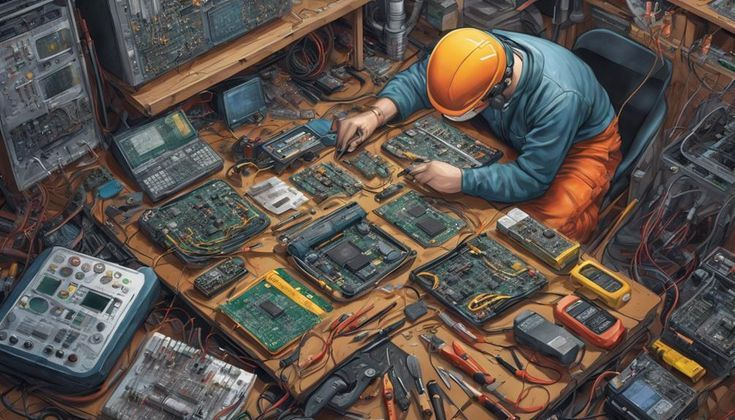
Introduction
Hardware troubleshooting tips for beginners guide is essential for anyone who uses a computer, laptop, or digital device regularhttps://cloudscomputer.com/category/software/ly. When devices stop working properly, many people feel confused or frustrated. However, most hardware problems are not as complicated as they seem. With the right knowledge, you can identify issues, fix small faults, and even prevent future damage.
This hardware troubleshooting tips for beginners guide is designed to help you understand common computer hardware problems in a simple and practical way. Whether your system is slow, not turning on, or showing unusual behavior, learning basic troubleshooting can save time and money. Instead of rushing to a repair shop, you can first try simple steps to diagnose the issue.
In today’s digital world, computers are used for work, study, and entertainment. That is why knowing hardware troubleshooting tips for beginners guide is a valuable skill. Even beginners can learn how to check cables, test components, clean hardware, and identify faulty parts. With practice, these skills become easy and natural.
This article will walk you through step-by-step methods, benefits, risks, and expert advice so you can confidently handle basic hardware problems.
What is Hardware Troubleshooting Tips for Beginners Guide?
Hardware troubleshooting tips for beginners guide refers to the process of identifying, diagnosing, and fixing physical issues in computer systems and electronic devices. It focuses on solving problems related to hardware components such as the CPU, RAM, motherboard, hard drive, power supply, keyboard, and monitor.
In simple terms, hardware troubleshooting means finding out why a device is not working and applying the correct solution. The hardware troubleshooting tips for beginners guide helps users understand how to safely inspect and repair minor issues without damaging the system.
For example, if your computer does not turn on, the issue might be a loose power cable or a faulty power supply. If the system is slow, it could be due to insufficient RAM or dust inside the hardware. By following structured steps, you can easily detect such problems.
This guide is especially useful for beginners who have little technical experience. It breaks down complex tasks into simple actions so anyone can follow along. Learning hardware troubleshooting tips for beginners guide builds confidence and improves your ability to manage devices independently.
Why is Hardware Troubleshooting Tips for Beginners Guide Important?
Understanding hardware troubleshooting tips for beginners guide is important because it helps users solve common technical problems without relying on professionals for every issue.
Firstly, it saves time. Instead of waiting for a technician, you can quickly check and fix minor issues yourself. Secondly, it saves money by reducing unnecessary repair costs. Many problems are simple, like loose connections or dust buildup.
Thirdly, it improves your technical knowledge. When you regularly practice hardware troubleshooting tips for beginners guide, you become more familiar with how computer systems work. This helps you detect problems early before they become serious.
Another important reason is system performance. Regular troubleshooting ensures your device runs smoothly and efficiently. It also extends the lifespan of your hardware by preventing long-term damage.
Lastly, it increases confidence. Beginners often fear damaging their devices, but with proper guidance, they learn safe methods to handle hardware issues effectively.
Detailed Step-by-Step Guide
Step 1: Identify the Problem
The first step in hardware troubleshooting tips for beginners guide is identifying the issue. Observe what is happening with your device. Is it not turning on, freezing, or making unusual sounds?
Make a note of symptoms such as error lights, beeping sounds, or slow performance. These signs help you narrow down the possible causes.
Step 2: Check Power Supply and Connections
Many hardware issues come from loose or faulty connections. Ensure all cables are properly plugged in. Check the power cable, monitor cable, and internal connections if possible.
Also, verify that the power outlet is working. Sometimes the issue is not with the device but with the electricity source.
Step 3: Inspect External Devices
Disconnect all external devices such as USB drives, printers, and external hard disks. Restart the system to see if the problem is resolved. Faulty external devices can often cause system errors.
Step 4: Test Internal Components
If the issue continues, check internal hardware components. Look at RAM sticks, hard drives, and graphic cards. Ensure they are properly seated in their slots.
Dust accumulation can also affect performance, so cleaning internal parts carefully is part of hardware troubleshooting tips for beginners guide.
Step 5: Listen for Beep Codes
When a computer starts, it may produce beep sounds. These beeps indicate specific hardware problems. Learning what these codes mean can help you quickly identify faulty components.
Step 6: Run Basic Diagnostic Tests
Many systems come with built-in diagnostic tools. Use them to test memory, storage, and processor health. These tools provide useful insights into hardware status.
Step 7: Replace or Repair Faulty Parts
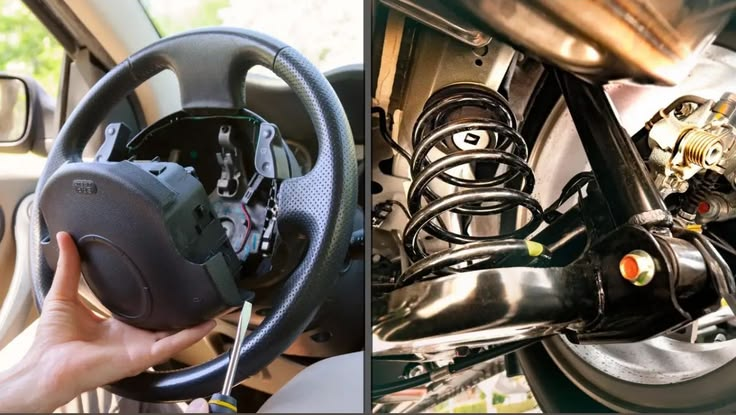
If you identify a faulty component, replace it or get professional repair support. Beginners should avoid forcing repairs beyond their skill level.
Benefits of Hardware Troubleshooting Tips for Beginners Guide
- Saves money on repair services
- Improves technical knowledge and confidence
- Helps detect problems early
- Increases device performance and speed
- Reduces system downtime
- Extends hardware lifespan
- Encourages self-learning and independence
Disadvantages / Risks
- Risk of damaging sensitive components if handled carelessly
- Incorrect diagnosis may lead to unnecessary replacements
- Opening hardware may void warranty in some cases
- Requires patience and basic technical understanding
- Electrical safety risks if not handled properly
Common Mistakes to Avoid
Many beginners make simple mistakes while following hardware troubleshooting tips for beginners guide. Avoid these errors:
- Ignoring basic checks like power cables
- Forcing hardware components into slots
- Not grounding yourself before touching internal parts
- Skipping documentation of symptoms
- Rushing through diagnosis without proper observation
- Using excessive force during cleaning or repair
- Ignoring manufacturer instructions
Being careful and methodical helps prevent damage and improves success rate.
FAQs
1. What is the first step in hardware troubleshooting?
The first step is identifying the exact problem by observing system behavior and symptoms carefully.
2. Can beginners perform hardware troubleshooting safely?
Yes, beginners can safely perform basic troubleshooting by following proper steps and avoiding risky actions.
3. What tools are needed for hardware troubleshooting?
Basic tools include a screwdriver, anti-static wrist strap, cleaning brush, and diagnostic software.
4. Why does my computer not turn on?
It may be due to power supply issues, loose cables, or faulty internal components.
5. How often should I clean my computer hardware?
Cleaning every 3–6 months is recommended to prevent dust buildup and overheating.
6. Can hardware troubleshooting improve performance?
Yes, proper troubleshooting helps remove issues that slow down the system and improves overall performance.
7. What should I avoid during troubleshooting?
Avoid forcing parts, ignoring safety precautions, and working without understanding the issue.
Expert Tips & Bonus Points
Experts recommend following a structured approach when using hardware troubleshooting tips for beginners guide. Always start with the simplest solutions before moving to advanced steps.
Keep your workspace clean and static-free. Use proper lighting so you can clearly see components. Always turn off power before opening any device.
Another important tip is to document every step you take. This helps you track what you have checked and avoid repeating actions.
Regular maintenance is also key. Clean your system, update firmware when needed, and monitor performance regularly.
Finally, do not hesitate to seek professional help if the issue is beyond your skill level. Knowing your limits is also part of effective troubleshooting.
Conclusion
Hardware troubleshooting tips for beginners guide is an essential skill for anyone who uses computers or electronic devices. It empowers users to identify, diagnose, and solve common hardware problems without unnecessary stress or expense.
By following a structured approach, beginners can handle issues like power failures, slow performance, and faulty components with confidence. This guide also helps improve technical knowledge and builds long-term confidence in managing devices.
The hardware troubleshooting tips for beginners guide is not just about fixing problems but also about preventing them. Regular maintenance, careful observation, and safe handling can significantly improve system life and performance.
As technology continues to grow, having basic troubleshooting skills becomes even more valuable. Whether you are a student, professional, or casual user, learning these skills will always benefit you in the long run.
