

Introduction
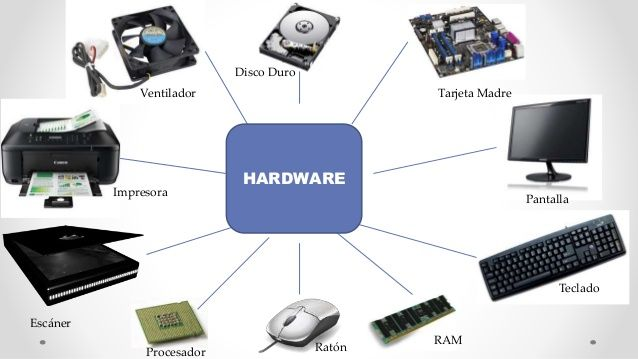
The world of computers is built on many physical parts that work together to make everything function smoothly. These physical parts are known as types of computer hardware, and they are the foundation of every digital device we use today. From laptops and desktops to smartphones and gaming consoles, every system depends on different types of computer hardware to perform tasks efficiently.
Understanding types of computer hardware is important for students, beginners, and even professionals because it helps you know how a computer works from inside. When you press a key, move a mouse, or open a file, different hardware components respond instantly to make it happen. Without hardware, software would have no platform to operate.
In simple words, hardware is the body of a computer, while software is the mind. Both work together, but hardware is what you can touch and see. Learning about types of computer hardware helps you make better decisions when buying a computer, upgrading parts, or troubleshooting issues.
In this article, we will explore everything about types of computer hardware, including their categories, importance, advantages, disadvantages, common mistakes, expert tips, and frequently asked questions. By the end, you will have a strong understanding of how computer hardware works in real life.
What is Types of Computer Hardware?
The term types of computer hardware refers to all the physical components that make up a computer system. These components can be seen, touched, and sometimes even replaced or upgraded. They are responsible for processing data, storing information, and allowing users to interact with the system.
Computer hardware is generally divided into different categories based on its function. Each category plays a unique role in making the computer work properly. Without these types of computer hardware, a computer would simply not function.
For example, the keyboard is used for input, the monitor displays output, the CPU processes data, and the hard drive stores files. All these are different types of computer hardware working together in harmony.
In modern computing, hardware is not limited to desktops only. It also includes laptops, tablets, smartphones, servers, and even smart devices like watches and home assistants. Each of these devices uses specific types of computer hardware designed for its purpose.
Why is Types of Computer Hardware Important?
Understanding types of computer hardware is important for many reasons, especially in today’s digital world where computers are used everywhere.
First, it helps users understand how a computer works internally. When you know the role of each hardware component, you can easily identify problems and fix them.
Second, knowledge of types of computer hardware helps in making better purchasing decisions. For example, if you are buying a laptop for gaming, you need a strong graphics card and processor.
Third, it improves technical skills. Students and IT learners who understand hardware can build, repair, and upgrade computers more efficiently.
Finally, businesses also depend on types of computer hardware to run operations smoothly. Servers, networking devices, and storage systems are all essential for business performance.
Detailed Step-by-Step Guide
Step 1: Understanding Input Hardware
Input hardware is one of the most important types of computer hardware. It allows users to enter data into the computer.
Common input devices include:
- Keyboard
- Mouse
- Scanner
- Microphone
- Webcam
These devices convert human actions into digital signals that the computer can understand.
Step 2: Learning About Output Hardware
Output hardware is another essential part of types of computer hardware. It displays or presents information processed by the computer.
Examples include:
- Monitor
- Printer
- Speakers
- Projector
These devices help users see, hear, or print results.
Step 3: Understanding Processing Hardware
Processing hardware is the brain of the computer. It handles all calculations and operations.
Key components include:
- CPU (Central Processing Unit)
- GPU (Graphics Processing Unit)
Among all types of computer hardware, the CPU is the most important because it executes instructions and controls other parts of the system.
Step 4: Exploring Storage Hardware
Storage hardware is responsible for saving data permanently or temporarily.
Examples include:
- Hard Disk Drive (HDD)
- Solid State Drive (SSD)
- RAM (Random Access Memory)
These types of computer hardware ensure that your files, applications, and system data are stored safely.
Step 5: Understanding Motherboard and Internal Components
The motherboard is the main circuit board that connects all types of computer hardware together. It allows communication between CPU, memory, and other components.
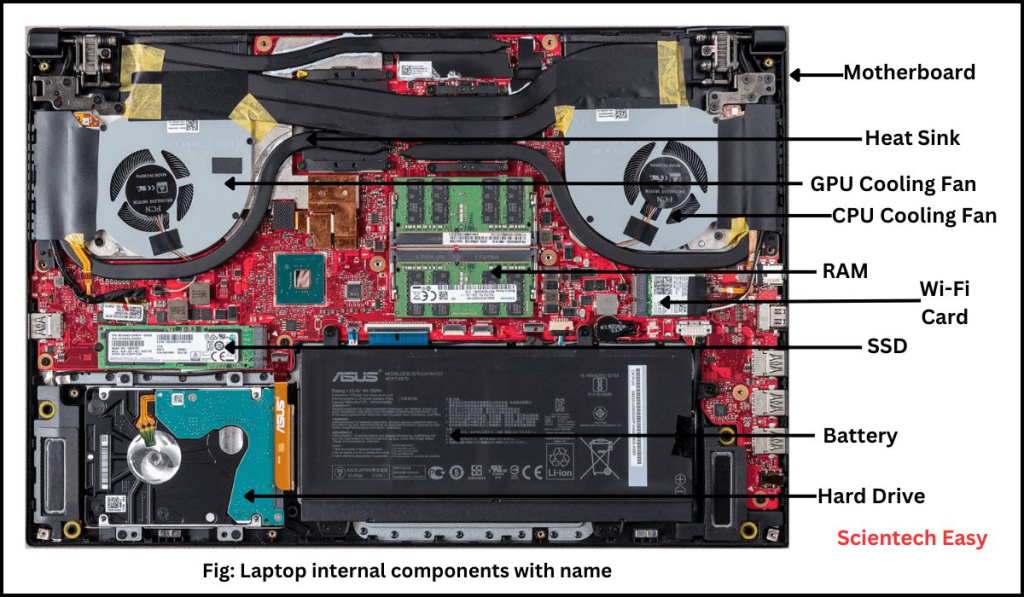
Other internal components include:
- Power supply unit (PSU)
- Cooling fans
- Network cards
Each part plays a vital role in system performance.
Benefits of Types of Computer Hardware
- Improves understanding of computer systems
- Helps in troubleshooting technical issues
- Makes upgrading systems easier
- Enhances job opportunities in IT field
- Supports better purchasing decisions
- Increases technical knowledge and skills
- Helps in building custom computers
Disadvantages / Risks
- Hardware components can be expensive
- Requires technical knowledge for repairs
- Physical damage can cause system failure
- Upgrading may cause compatibility issues
- Some parts become outdated quickly
- Maintenance can be time-consuming
- Power issues may damage hardware
Common Mistakes to Avoid
Many beginners make mistakes when dealing with types of computer hardware. Here are some common ones:
First, ignoring compatibility between components can lead to system failure. Always check whether hardware parts work together.
Second, buying low-quality hardware to save money often leads to poor performance.
Third, not cleaning hardware regularly can cause overheating and damage.
Fourth, improper installation of hardware components can harm the system.
Finally, not updating drivers can reduce performance and stability.
Avoiding these mistakes ensures better performance and longer life of your system.
FAQs
1. What are the main types of computer hardware?
The main types of computer hardware include input devices, output devices, processing units, storage devices, and internal components like the motherboard.
2. Why is computer hardware important?
Computer hardware is important because it allows the system to function. Without hardware, software cannot operate.
3. What is the difference between hardware and software?
Hardware refers to physical components, while software refers to programs and applications that run on the computer.
4. Can computer hardware be upgraded?
Yes, many types of computer hardware like RAM, storage, and graphics cards can be upgraded to improve performance.
5. What is the most important hardware component?
The CPU is considered the most important because it processes all instructions and controls the system.
6. How long does computer hardware last?
The lifespan of types of computer hardware depends on usage and quality, but generally it lasts between 3 to 8 years.
Expert Tips & Bonus Points
Experts recommend understanding types of computer hardware before building or buying a computer. Always research specifications before making a decision.
Keep your system clean and dust-free to avoid overheating. Use proper cooling systems to extend hardware life.
Regularly update drivers and firmware for better performance.
Invest in high-quality power supply units because unstable power can damage all types of computer hardware inside your system.
If you are a beginner, start with basic components and gradually learn advanced hardware concepts.
Conclusion
In today’s digital era, understanding types of computer hardware is essential for everyone, whether you are a student, professional, or casual computer user. Hardware forms the backbone of every computing device, making it possible for software to run smoothly and efficiently.
From input and output devices to processing and storage units, each part of a computer plays a specific role. Learning about types of computer hardware not only improves your technical knowledge but also helps you make smarter decisions when buying or upgrading systems.
As technology continues to evolve, hardware is becoming faster, smaller, and more powerful. This makes it even more important to stay updated with the latest developments in types of computer hardware.
By understanding how each component works, you can troubleshoot issues, improve performance, and extend the life of your devices. Whether you are building a computer or simply using one, knowledge of hardware will always be valuable.
In conclusion, mastering types of computer hardware is a step toward becoming more confident and skilled in the digital world.
