

Online gaming has become one of the most dynamic industries in the digital world, bringing together entertainment, technology, and social interaction on an unprecedented scale. Every day, millions of players log in to enjoy competitive matches, cooperative adventures, and immersive virtual worlds that continue to evolve through innovation. As gaming enthusiasts explore different platforms and online experiences, many also encounter services like Kilau4D while navigating the broader digital entertainment ecosystem. The combination of powerful technology, active communities, and creative game design has positioned online gaming as one of the defining forms of entertainment in the twenty-first century.
The Expansion of the Global Gaming Industry
The gaming industry has experienced extraordinary growth over the past two decades. Improvements in internet infrastructure, affordable smartphones, high-performance gaming hardware, and digital distribution platforms have made games more accessible than ever before.
Unlike earlier generations of games that remained unchanged after release, modern online titles receive continuous updates throughout their lifespan. Developers frequently introduce new storylines, maps, characters, cosmetic items, seasonal events, and gameplay improvements that keep players engaged for years.
This ongoing development model has transformed games into long-term services rather than one-time products, creating stronger communities and longer player engagement.
Why Millions Choose Online Gaming
Online gaming offers an experience that differs from almost every other form of entertainment. Instead of simply watching content, players actively influence outcomes through their own decisions, strategies, and teamwork.
Every multiplayer session presents unique situations because human opponents react differently, forcing players to adapt continuously. This unpredictability keeps games exciting regardless of how many hours someone has already invested.
Progression systems also provide long-term motivation. Unlocking achievements, improving rankings, earning rewards, and mastering new mechanics encourage players to keep developing their skills over time.
Technology Continues to Push Gaming Forward
Innovation remains one of the biggest reasons the gaming industry continues growing so rapidly.
Artificial intelligence enables developers to create smarter opponents and more believable non-player characters that respond naturally to player behavior. Dynamic environments now change based on player decisions, making gameplay feel increasingly realistic.
Advanced graphics technologies have dramatically improved visual quality through realistic lighting, detailed textures, fluid animations, and sophisticated environmental effects. Combined with powerful processors and faster storage devices, these improvements allow developers to build enormous virtual worlds filled with rich interactive content.
Cloud computing has also changed how players access games by reducing hardware requirements and allowing demanding titles to run on a wider range of devices.
Mobile Gaming Has Opened New Opportunities
Mobile gaming has introduced millions of people to online entertainment who might never have purchased traditional gaming hardware.
Modern smartphones are capable of running complex multiplayer games featuring competitive rankings, detailed graphics, and live online events. Developers continue optimizing performance while ensuring smooth gameplay across different device specifications.
The convenience of mobile gaming allows players to enjoy short gaming sessions during breaks or longer experiences while relaxing at home. This flexibility has significantly contributed to the industry’s worldwide growth.
Cross-platform compatibility has further strengthened mobile gaming by allowing users on phones, consoles, and personal computers to compete together in many popular titles.
The Importance of Online Communities
Gaming has evolved into a highly social activity that encourages collaboration among people from different countries and cultures.
Players join guilds, clans, and online communities where they exchange strategies, organize tournaments, and celebrate achievements together. These communities often extend beyond individual games through discussion forums, voice communication platforms, and social media groups.
Many players remain active because of the friendships they build rather than the gameplay itself. Long-term relationships formed through gaming demonstrate the industry’s ability to connect individuals regardless of geographical distance.
Community-driven events, fan-created content, and collaborative projects continue strengthening these digital relationships.
Competitive Gaming Continues to Expand
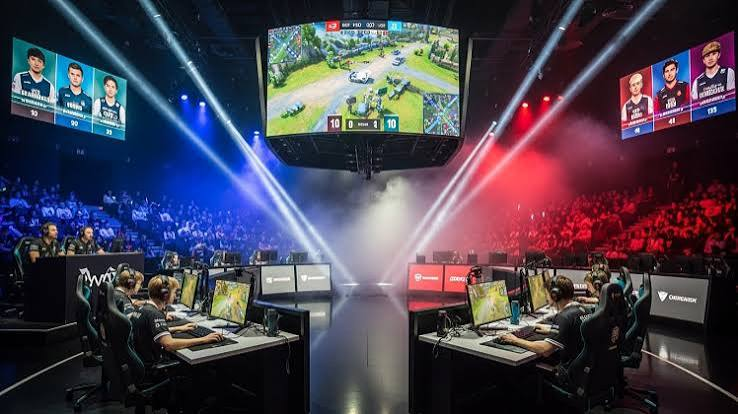
Esports has become one of the most recognizable sectors of the gaming industry.
Professional organizations recruit talented players who dedicate themselves to mastering specific games while competing in regional and international tournaments. These competitions attract millions of viewers through livestreams and professional broadcasts.
Modern esports organizations include coaching staff, performance analysts, nutrition specialists, psychologists, and content creators who help teams perform at their highest level.
The continued growth of esports has also created employment opportunities across broadcasting, journalism, software development, event management, marketing, graphic design, and business operations.
The Rise of Digital Content Creation
Gaming content has become one of the internet’s most popular entertainment categories.
Streamers and video creators publish gameplay highlights, tutorials, reviews, strategy guides, interviews, and educational content that reaches audiences across the globe.
Many viewers watch gaming content to improve their skills, discover upcoming releases, or simply enjoy entertaining personalities.
The relationship between creators and their communities has become an important part of modern gaming culture, helping both new and experienced players remain informed about industry developments.
Innovation Through Virtual and Augmented Reality
Virtual reality continues introducing increasingly immersive gaming experiences by placing players directly inside digital environments.
Modern VR systems allow users to interact naturally with objects, environments, and other players using motion controls and advanced tracking technology.
Augmented reality takes a different approach by combining digital content with the physical world. These experiences encourage exploration while blending real-world surroundings with interactive virtual elements.
Although both technologies are still developing, they represent exciting directions for the future of digital entertainment.
Security and Fair Play
As online gaming communities expand, developers continue investing in security and fair competition.
Sophisticated anti-cheat systems help maintain balanced multiplayer environments, while account protection features reduce unauthorized access.
Players are encouraged to enable two-factor authentication, create strong passwords, and remain cautious when communicating with unfamiliar individuals online.
Secure digital ecosystems benefit everyone by creating trustworthy communities where players can focus on enjoying their favorite games.
Gaming Encourages Lifelong Learning
Many online games naturally encourage continuous improvement.
Competitive titles reward careful analysis, communication, adaptability, and decision-making. Players often review previous matches, identify mistakes, and develop new strategies to improve future performance.
Creative games inspire experimentation through building mechanics, user-generated content, and collaborative design tools. Strategy games strengthen planning abilities, while cooperative experiences develop teamwork and leadership.
These learning opportunities contribute to gaming’s long-term appeal beyond simple entertainment.
Responsible Gaming Supports Healthy Habits
Maintaining balance is an important part of enjoying online games responsibly.
Players benefit from setting reasonable gaming schedules, taking regular breaks, staying physically active, and balancing gaming with education, work, and family responsibilities.
Parents can guide younger gamers by encouraging age-appropriate content and promoting healthy online behavior. Many modern games also include parental controls and accessibility options that support positive experiences for diverse audiences.
A balanced approach allows gaming to remain an enjoyable and sustainable hobby.
The Future of Online Gaming
The next generation of gaming will likely be shaped by artificial intelligence, cloud computing, advanced networking technologies, and increasingly immersive virtual environments.
Developers continue working toward larger open worlds, more responsive gameplay systems, personalized player experiences, and greater accessibility for users of all abilities.
As technology evolves, online gaming will continue expanding into education, professional collaboration, creative design, and social interaction, extending its influence far beyond traditional entertainment.
Conclusion
Online gaming has become much more than a recreational activity. It now represents a global digital ecosystem where technology, creativity, competition, and community come together to create engaging experiences for millions of players.
With continuous innovation, expanding online communities, and rapidly advancing technology, the future of online gaming remains incredibly promising. Whether players prefer casual adventures, competitive esports, cooperative teamwork, or immersive virtual worlds, the industry will continue providing exciting opportunities for entertainment and meaningful digital connections for years to come.
