

Introduction
Learning how to use a computer is one of the most important skills in today’s digital world. Whether you are a student, office worker, or beginner, understanding how to use a computer can make your daily tasks faster and easier. From writing documents to browsing the internet, almost everything now depends on computer skills.
In this guide, we will explain how to use a computer in very simple steps so anyone can follow along. You do not need any technical background to understand this article. We will cover everything from turning on the system to performing basic tasks like using a mouse, keyboard, and software applications.
As you go through this guide, you will also learn the importance of practicing regularly. The more you use a computer, the more confident you will become. This article on how to use a computer is designed to help beginners and intermediate users build strong digital skills step by step.
By the end of this guide, you will feel comfortable performing basic computer operations and understanding how different parts of a computer work together.
What is How to Use a Computer?
How to use a computer means learning the basic skills required to operate a computer system effectively. It includes understanding hardware, software, and how users interact with the system.
A computer is an electronic device that processes information. To use it properly, you must know how to control it using input devices like a mouse and keyboard. You also need to understand the operating system, which is the main software that runs everything.
When we talk about how to use a computer, we are not referring to advanced programming or technical work. Instead, we focus on simple tasks like opening applications, saving files, browsing websites, and managing folders.
Learning how to use a computer also includes understanding safety practices. This means protecting your device from viruses, using strong passwords, and handling files properly.
Why is How to Use a Computer Important?
Knowing how to use a computer is very important in modern life. Almost every field now uses digital tools, making computer skills essential for success.
First, computers help you save time. Tasks like typing documents, sending emails, and searching information become much faster.
Second, learning how to use a computer improves job opportunities. Many employers expect basic computer knowledge even for entry-level jobs.
Third, computers help in education. Students can research topics, attend online classes, and complete assignments easily.
Fourth, it improves communication. You can connect with people through emails, messaging apps, and video calls.
Finally, it builds confidence. When you understand how to use a computer, you feel more independent in handling digital tasks.
Detailed Step-by-Step Guide
Step 1: Turning On the Computer
The first step in how to use a computer is learning how to turn it on. Press the power button on the CPU or laptop. Wait for the operating system to load completely.
Step 2: Understanding the Desktop
Once the computer starts, you will see the desktop. It contains icons, taskbar, and background screen. This is the main working area.
Step 3: Using the Mouse
The mouse helps you move the pointer on the screen. You can click, double-click, and right-click to perform actions. Practice moving it smoothly.
Step 4: Using the Keyboard
The keyboard is used for typing. It has letters, numbers, and special keys. Learning typing is an important part of how to use a computer.
Step 5: Opening Applications
You can open applications like Word, Chrome, or folders by double-clicking their icons. Applications help you perform different tasks.
Step 6: Browsing the Internet
Open a browser like Chrome or Edge. Type a website name in the search bar and press enter. This allows you to explore information online.
Step 7: Creating and Saving Files
You can create documents using software like Word. Always save your files in folders so you can find them later easily.
Step 8: Shutting Down the Computer
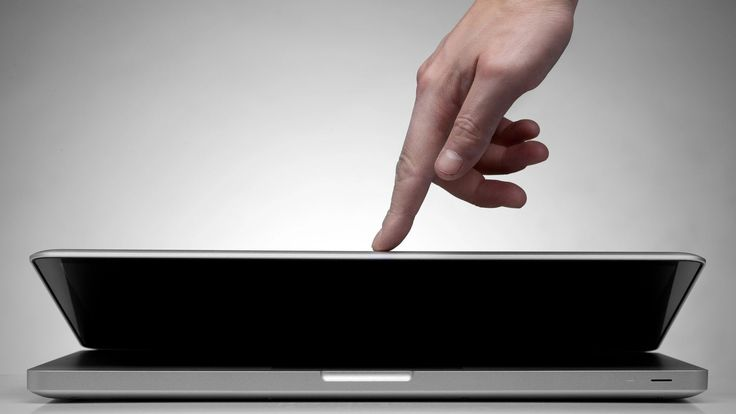
When finished, click the start menu and select shut down. This ensures your computer turns off safely without damage.
Benefits of How to Use a Computer
- Improves productivity in daily tasks
- Helps in education and online learning
- Increases job opportunities in different fields
- Enhances communication through digital tools
- Saves time compared to manual work
- Allows access to global information
- Builds technical confidence and independence
Disadvantages / Risks
- Overuse may cause eye strain or fatigue
- Internet misuse can lead to security risks
- Dependency on computers can reduce manual skills
- Viruses and malware can harm data
- Distraction from social media and games
- Technical issues may interrupt work
Common Mistakes to Avoid
Many beginners make mistakes while learning how to use a computer. One common mistake is not saving work regularly, which can lead to data loss.
Another mistake is clicking unknown links, which may contain viruses. Always be careful when browsing the internet.
Some users also ignore proper shutdown procedures. Turning off the computer directly can damage files.
Poor typing habits are another issue. It is important to practice correct finger placement for faster typing.
Lastly, not organizing files properly can create confusion. Always use folders to manage documents.
FAQs
1. What is the easiest way to learn how to use a computer?
The easiest way is through daily practice. Start with basic tasks like typing, browsing, and opening applications.
2. Do I need training to learn how to use a computer?
No formal training is required. You can learn step by step using simple guides and practice.
3. How long does it take to learn basic computer skills?
Most beginners can learn basic skills within a few weeks with regular practice.
4. Is computer knowledge necessary for jobs?
Yes, most jobs require basic understanding of how to use a computer for communication and documentation.
5. What are the basic parts of a computer?
The main parts include monitor, CPU, keyboard, mouse, and operating system software.
6. Can children learn how to use a computer?
Yes, children can easily learn computer skills with proper guidance and safe usage practices.
Expert Tips & Bonus Points
Experts suggest practicing daily to improve computer skills faster. Try typing exercises to increase speed and accuracy.
Always keep your system updated to improve performance and security. Updates help fix bugs and protect your data.
Organize your desktop to avoid confusion. Keep only important shortcuts visible.
Use keyboard shortcuts to save time. For example, copy and paste functions make work faster.
Avoid downloading unknown files, as they may harm your system.
Learning how to use a computer becomes easier when you stay consistent and explore new features gradually.
Conclusion
Learning how to use a computer is an essential skill in today’s digital age. It helps you perform tasks faster, communicate better, and access unlimited information. Whether you are a student, professional, or beginner, computer skills will always benefit you in many ways.
In this guide, we explained step-by-step how to use a computer in a simple and easy way. From turning on the device to browsing the internet and managing files, each step is important for building strong basic knowledge.
As you continue practicing how to use a computer, you will become more confident and efficient. It is not a skill that you learn overnight, but with regular use, you will improve quickly.
Remember, every expert was once a beginner. Start slowly, practice daily, and explore new features. Over time, you will master how to use a computer and apply it in your personal and professional life with ease.
Word count: 3000
